
My College Application Guide
By. Minkyu Kang
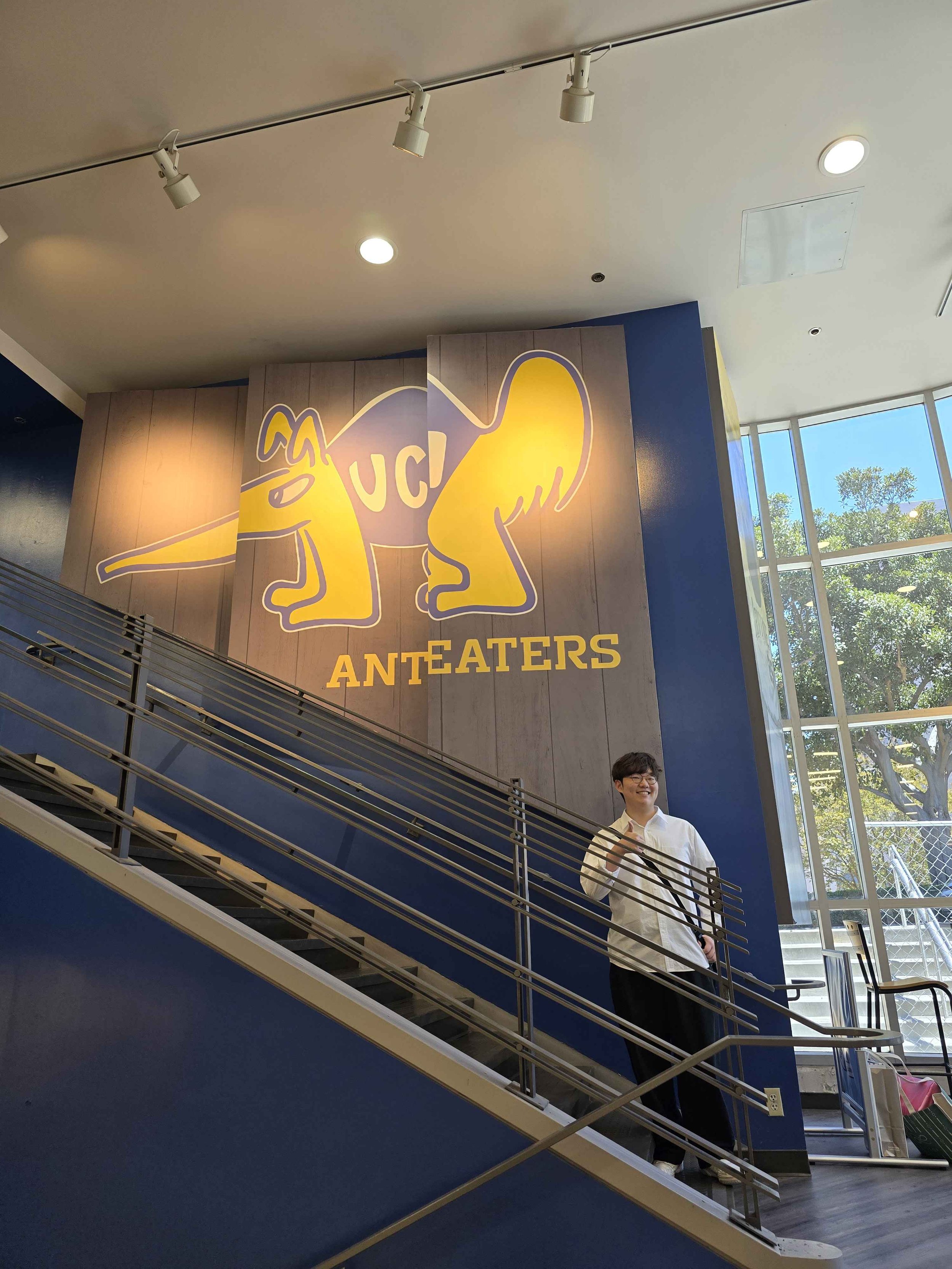
November: When It Wasn’t Over
In November, many of my friends in Korea had just finished the CSAT. Some were planning trips; others were finally resting after months of preparation.
For me, however, November was the most intense phase of the year. I was in the final stretch of submitting applications through Common App and the UC Application system. While it marked the end for many, it was still a period of careful review and revision for me.
As I navigated deadlines, reviewed entries, and double-checked every detail, I began to think about something else. My seniors must have gone through the same confusion — wondering how to report GPA, how to calculate activity hours, how to interpret each platform’s requirements. And I realized that my juniors would likely face the same uncertainty in the future.
That thought is the reason this guide exists.
This is not simply an explanation of application systems. It is a record of the questions I asked, the mistakes I corrected, and the lessons I learned — written with the hope that someone else’s November might feel a little less overwhelming.
1. Applying Through Common App
The Common Application is one of the most widely used U.S. college platforms. It allows students to apply to multiple universities using one shared account, combining general information with school-specific requirements.
The first section involves basic information: personal details, family background, residency status, citizenship, and educational history. Accuracy here is crucial. I cross-checked every entry against official documents to avoid mistakes.
Next comes academic information: current school, grading system, coursework, and whether classes are Honors, AP, or IB. This section does more than list grades — it demonstrates the academic rigor a student has chosen.
The Activities section is one of the most important parts. Applicants may list up to 10 activities, describing their role, duration, weekly time commitment, and impact within strict character limits.
My experiences in esports as a player and manager, research publication, and internship work became central here. For four consecutive years, I rarely rested during school breaks. At times I questioned whether it was worth it. Yet in the application process, those experiences formed a coherent narrative of commitment and leadership.
If I were to give advice to younger students, it would be this: when opportunities exist, try them. Experiences cannot be created retroactively, but a single experience can expand in many directions later.
2. The UC Application System
The University of California system operates on a separate platform. Through one submission, applicants can apply to multiple campuses such as UCLA, UC Berkeley, and UC San Diego.
Unlike Common App, UC schools do not require a general personal statement. Instead, applicants respond to four out of eight Personal Insight Questions (PIQs).
In my PIQs, I focused on academic context, personal background, and growth. Rather than listing achievements, I explained why I made certain choices and how those experiences shaped my perspective.
3. Test Scores and Strategy
If there is one area I regret, it is my testing strategy.
When I first heard the term “test-optional,” I felt reassured. I postponed SAT preparation. But when reviewing my applications, I realized something felt incomplete. It was not just about the score — it was about the absence of evidence that I had challenged myself.
I prepared for Duolingo English Test and TOEFL and directly contacted schools regarding waiver policies. Still, I later understood that “optional” does not mean “irrelevant.” It means strategic judgment is required.
Therefore, students should challenge themselves academically in multiple ways, and standardized tests can be an important part of demonstrating that effort.
Here are some my tips:
First, start early and stay consistent. Preparing in advance allows you to approach testing as a process of growth, not a last-minute burden.
Second, treat “optional” as strategic, not passive. Even if a test is not required, consider how it can strengthen your overall narrative and fill potential gaps.
Third, build evidence of challenge in multiple forms. Whether through tests, coursework, or projects, what matters is showing that you chose to push yourself.
4. Essays: The Core of the Application
Rather than listing experiences, I focused on the questions those experiences led me to ask — and how those questions shaped my decisions.
Esports became a defining theme. I avoided framing it merely as an alternative to traditional sports. Instead, I emphasized experiences unique to esports: managing budgets, leading teams, studying game mechanics, and connecting competitive systems to business strategy.
Another key feature is supplemental essays. While core information is shared, each university requires additional questions. I maintained a consistent personal narrative but adjusted emphasis depending on each institution’s priorities.
Here as well, like the personal statement, authenticity mattered most. No one else could replicate my exact combination of research, competitive gaming, and organizational leadership.
Ultimately, both esports and supplemental essays served the same purpose — not to add more content, but to clarify who I was.
Esports showed how I think and act in complex, real-world systems, while supplemental essays showed how I present and adapt that story in different contexts. Together, they allowed my application to move beyond a list of experiences and become a coherent narrative shaped by intention.
5. Career Building Beyond Admission
College applications are not an endpoint. They are part of a longer career trajectory.
As a prospective business major, I structured my activities to form a cohesive story. Esports team management became organizational leadership. Budget management reflected financial planning. Branding projects demonstrated strategic thinking.
I also learned that everyday professionalism matters. Greeting staff members at Gen.G HQ, asking thoughtful questions, and showing consistent curiosity eventually led to internship opportunities and research collaboration. Letters of recommendation are not requested at the last minute; they emerge from accumulated trust.
There are several additional ways students can stand out to universities beyond the standard application materials. InitialView and SlideRoom were two of the methods I used to further present my profile.
InitialView is a digital interview platform accepted by many U.S. universities as a supplementary evaluation. Although optional, it allowed me to explain my motivations and background directly in my own words.
SlideRoom functioned as a digital portfolio. Through it, I submitted research materials and digital design work, allowing universities to see my projects and interests beyond the main application.
On Notion, I organized my portfolio to present esports operations, academic research, and branding projects as interconnected elements of a business-oriented identity. Individually, they were small projects; together, they formed a clear direction.
Conclusion
The college application process was not only a time of evaluation but also a time of self-clarification.
It forced me to articulate not just what I did, but why I did it — and where those choices were leading me.
November was difficult. While many of my friends were finally resting after the CSAT, I was still revising essays, checking forms, and asking questions. The repeated revisions and uncertainties were exhausting. Yet those moments eventually became meaningful steps in understanding my own trajectory.
This guide does not offer a universal formula. It is simply the path I walked once. If it helps someone navigate their own application process with greater clarity and confidence, that alone makes it worthwhile.